


Ignorance is the barrier that keeps humans from understanding each other. The less we know about each other, the more willing we are to fill in the gaps with stereotypes and misunderstandings.
The ability to engage in conversation with people who are different from ourselves is how we often discover that we have more in common than we initially thought.
Since 2020, Americans have been hammered with messages that emphasize noticing people’s differences in order to create division between us. The idea is that our differences are meant to keep us separated and to overshadow our common humanity.
I’ve established relationships with people from various backgrounds who often look different from me, and yet I genuinely enjoyed their company and drew closer to them despite the differences.
Wrong Speak Films is currently crowdfunding a new documentary, The Illegal Highways, about illegal immigrants in the trucking industry and the victims they leave behind. It’s victim centric concept that hits home how detrimental this situation is for the safety of Americans on the road.
If you can give, please go to our GiveSendGo: www.givesendgo.com/theillegalhighways
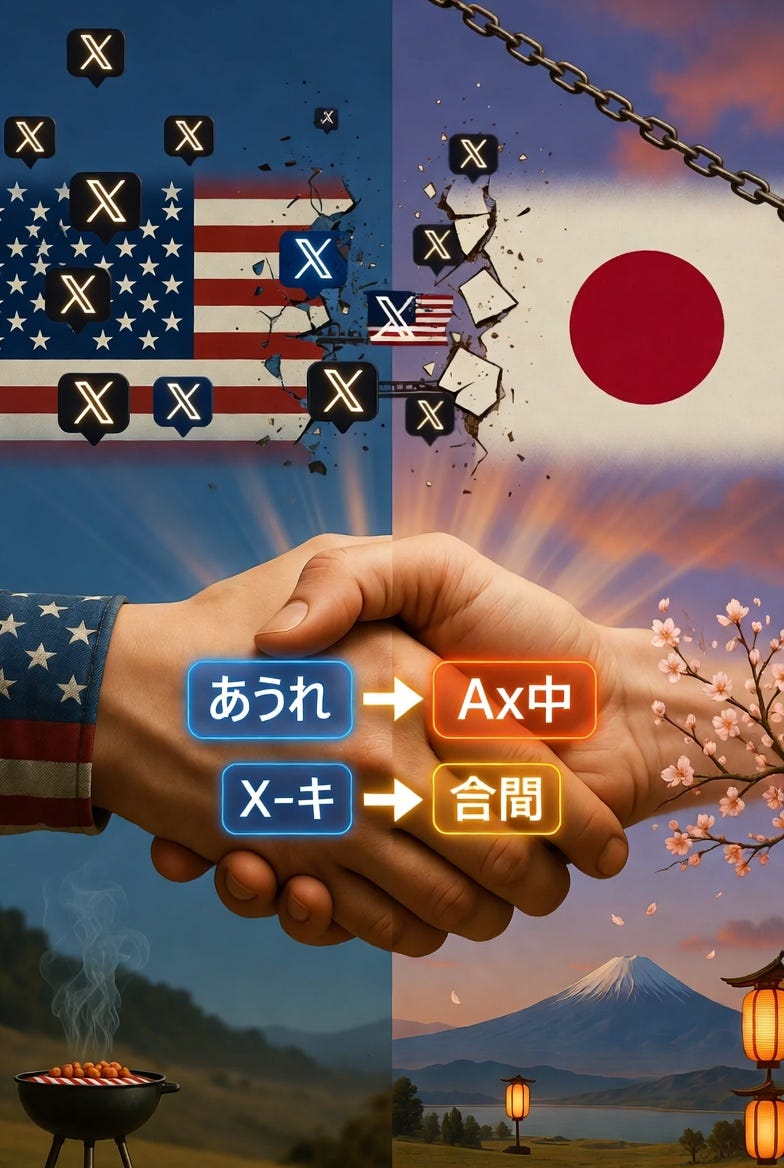
The changes made on X that brought the top two most active countries together—Japan and the United States—have begun the removal of massive cultural and political ignorance that has quickly moved us from a status of strangers to brothers.
At first, it was confusing as to why we were starting to see Japanese people with auto-translation, but that confusion quickly turned into a bromance open to sharing ideas and clearing up misconceptions.
A common response from Japanese users was that they thought Americans looked down on them, and they are extremely excited to see that it was actually the opposite.
Despite what communists in our media attempt to say about our nation, we are the most open and tolerant society in the world.
Many of us live in areas where we have people from different countries who love living in America and are willing to share their homeland customs with us.
Where I live is like the United Nations. I have Black, White, Indian, Korean, and Chinese neighbors; this isn’t uncommon for many Americans.
What these Japanese users are doing is going beyond the barriers of corporate media and accessing the people directly to ask them even the most mundane questions they would likely never learn otherwise.
The same goes for Americans like myself; I’ve started asking them questions that I legitimately didn’t have a good perspective on regarding Japanese culture.
For example, I asked—very genuinely—for their reasoning for always wearing masks. I know that culturally it is common for them to wear masks when they are sick, but some of the answers went beyond this and were incredibly honest.
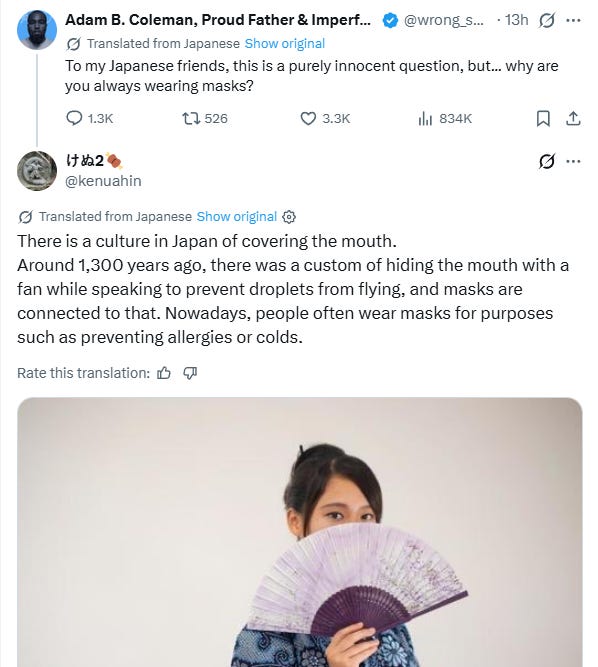
I had no idea that hay fever and seasonal allergies were a massive issue there. Many were honest about how the mask allowed them to not shave or put on makeup.
The most interesting answer was about the cultural differences between the Japanese and the West when it comes to reading facial expressions. The Japanese place more importance on seeing the eyes than looking at someone’s mouth. Hence, putting a mask over the mouth is less of a big deal for them than it is for us.
What’s been the most fascinating is that they are politically dealing with some of the same things we are in the West—mostly a rise in communist agitators and a push for mass migration by the Japanese elite.
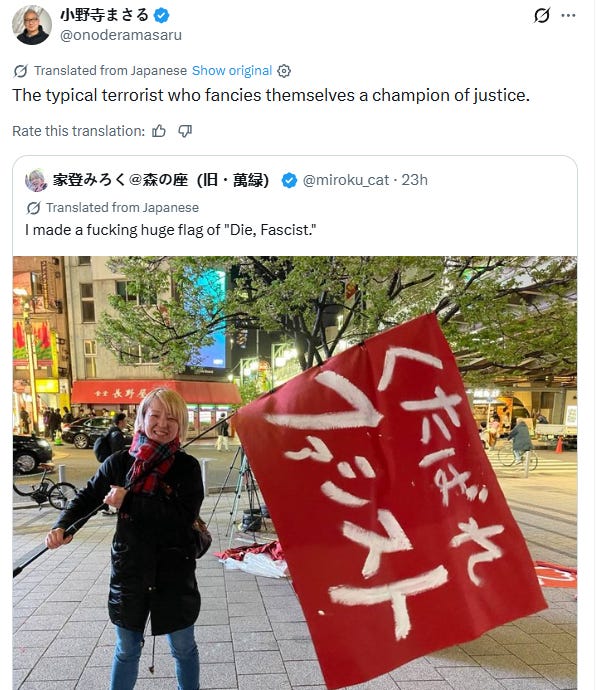
With Japan having a low birthrate, the people in charge have started pushing for immigration as the method for filling the work gaps. However, whenever systematic immigration occurs, you run into the problem of assimilation and clashing with the natives.
There is no perfect society, but the Japanese have a strong sense of pride in their history and customs—even if it appears rigid to foreigners.
They can pinpoint exactly how long they’ve been embracing a particular custom, and bringing in massive numbers of people who potentially don’t care about those customs is a major cause for concern.
It especially bothers them when foreigners come to their country and want to alter their long-standing customs so they can feel more comfortable.
As they are a nation of customs, we are a nation of laws, and when they are disrespected, it becomes a point of anger for both of us.
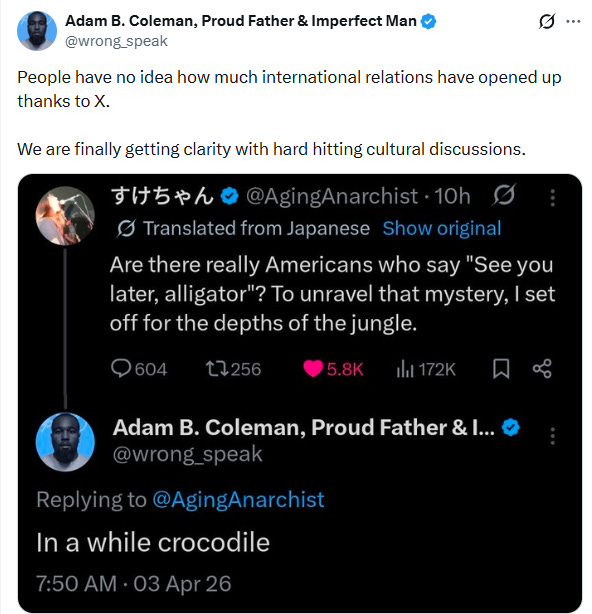
The removal of the language barrier via auto-translation and algorithmic promotion has opened an avenue of unity and understanding about preserving what is most important to us as a people.
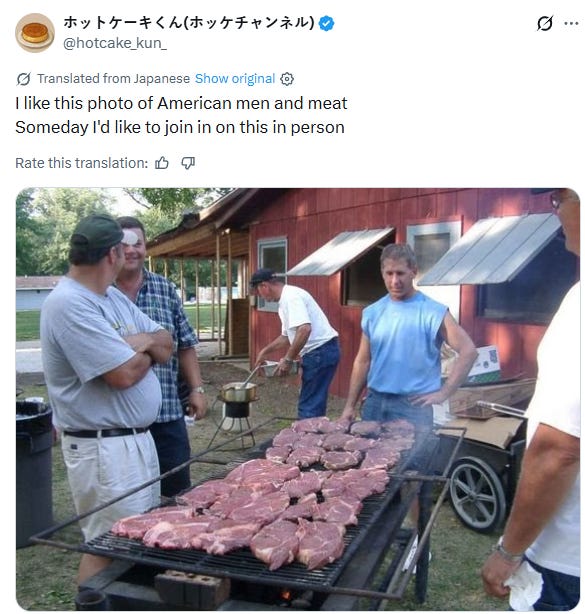
Today we are sharing BBQ tips and comparing narratives from reality, but don’t be surprised if in the future we are arm-in-arm fighting for the same cause in a much more substantive way that goes beyond the keyboard.
I was stationed in Japan my last 5 years in the USN. Love Japan and the Japanese! As a military woman and American, I'm totally unlike Japanese women, but I was able to make friends with 3 elderly Japanese women. They were just as fascinated with me as I was with them. Japan is a great country and good friend to the USA!
For now, this connection is very positive. But my experience with digital technology is that what starts in a positive way will eventually attain a point of saturation, then of excess, until it becomes the opposite of its beginning. The algorithm and the profiteers will find a way to exploit this connection and in the end the worst aspects from both cultures may end up being passed from one to the other. Sorry for being so negative, i am just extrapolating my experience with this media.