


We talk a great deal about parents. We should spend more time listening to them.
When arguments over education become national news, the families at the center of them can get lost. We hear the slogans. We see the political labels. But how often do we stop long enough to hear what brought a mother into that school board meeting in the first place?
What is she worried about? What has her family experienced? And does anyone intend to hear her out?
**Today, I’m announcing that my documentary, America’s Moms, will premiere December 10, 2026, exclusively on wrongspeakfilms.com.**
Behind the arguments are families
America’s Moms turns the camera toward Moms for Liberty and the fight over parental rights.
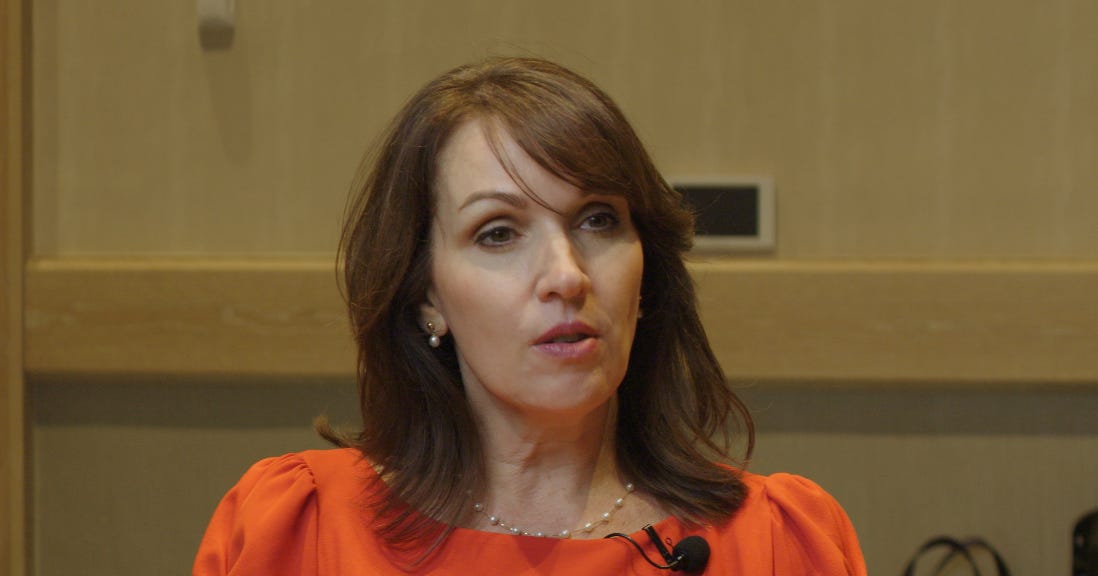
The film explores disputes over curriculum, gender ideology and union influence through whistleblowers, grieving mothers, injured athletes and battles over public policy.
These are contentious subjects. There is no reason to pretend otherwise.
But calling a subject controversial doesn’t resolve it. And assigning someone a political label doesn’t tell us whether their concerns have merit.
We still have to listen. We still have to ask questions. We still have to look at what happened.
Answer the concern, not with a label
When parents object to highly sexually explicit content in school books, “this isn’t happening” is not an adequate answer. Neither is calling them “book banners.” One dismisses the concern; the other turns the parent into the problem. Neither addresses the material itself.
Wanting sexually explicit material kept out of a child’s school is not the same as demanding that adults be prevented from buying or reading it. Schools make decisions about which books belong on their shelves. Parents should be able to question those decisions without having their concerns reduced to an accusation of censorship.
The questions are practical: What does the book contain? What ages is it available to? Is that content appropriate for those students? Those questions deserve direct answers, not a slogan that ends the conversation before anyone examines the page.
Content note: The following book excerpt contains a sexual reference.
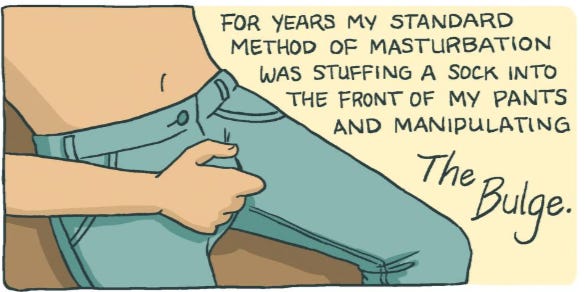
This excerpt from Gender Queer gives readers something concrete to consider. We can debate what place a book should have in a school, but that debate should begin by acknowledging what is on the page. Calling a concerned parent a “book banner” does not explain why the material is appropriate for a particular age.
Behind every argument about parental rights is a practical question: What role should a parent have in the decisions that affect their child?
That question deserves more than a slogan—from either side.
You don’t have to agree to listen
Parents and schools will not agree on everything. Neither will the people watching this documentary.
But agreement shouldn’t be a condition for hearing someone’s story.
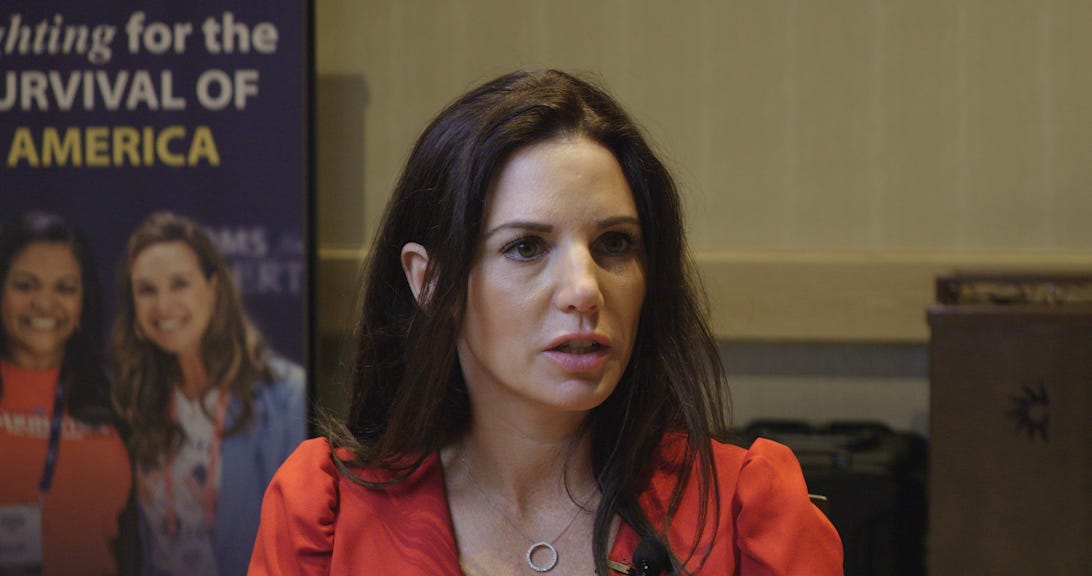
What should parents know about what their children are being taught? What happens when they raise a concern? How do families and schools work through a disagreement without treating one another as enemies?
Those questions don’t disappear when a news cycle ends. Families still have to live with the answers.
My invitation is simple: Watch the film. Listen to the people in it. Consider their experiences and reach your own conclusions.
Watch December 10
America’s Moms premieres December 10, exclusively on wrongspeakfilms.com.
PAID SUBSTACK SUBSCRIBERS WATCH FREE! Just go to wrongspeakfilms.com and register to get this perk!
Until then, you can learn more and find the trailer through our film listing:
Explore America’s Moms and find the trailer
If you know someone who cares about education or the relationship between parents and schools, please share this announcement with them.
Thank you for giving this film—and the people whose stories it explores—your time.
Adam B. Coleman


